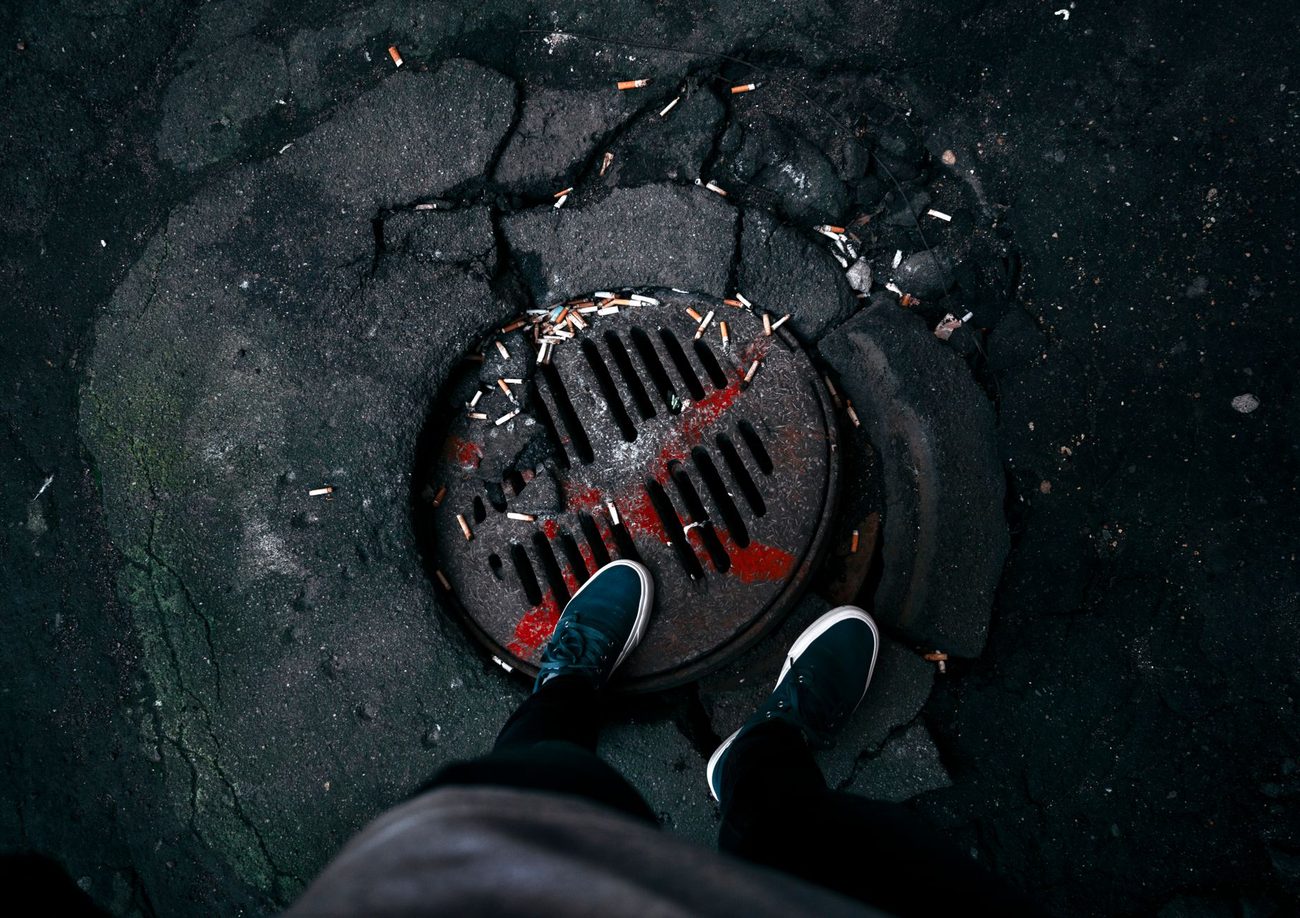
It was 9 degrees on the dashboard and the steering wheel was pulling hard to the right. I'd hit the pothole about half a mile back on Sheridan Road in Evanston, coming home from Priya's on a Thursday night, and it made a sound like someone dropping a bowling ball on the roof. By the time I pulled onto a side street, the front passenger tire was flat and the rim had a dent you could see from the curb.
February in Chicago, everybody. Here's what it cost, how I paid for it and why it changed one line in my budget.
I called my dad first, which at 26 still feels like the correct order of operations. He talked me through getting the spare out of the trunk and offered to drive down, but I wanted to try it myself. It took me 35 minutes, two numb hands and one very patient stranger who held my phone flashlight. The spare on a 2012 Corolla is a small temporary tire, so I drove home at 45 miles per hour with my hazards on, feeling like I was in a slow-motion movie.
The next morning I took it to the same independent shop in Skokie that did my brakes in October.
The $230 bill
The rim was bent badly enough that they didn't want to try to straighten it, and the tire had a cut in the sidewall. So:
- Used replacement rim: $110
- New tire to match the other front tire: $98
- Mounting and balancing: $22
Total: $230. They also checked the alignment for free and said it was fine, which is the best news I got all week.
How I paid, and the mistake I made in January
Here's where I have to admit something. Last year I put $25 from every paycheck into what I call the car line, a small savings bucket only for car repairs. It paid for most of my $465 brake job in October. After that, it slowly built back up, then paid for a $74 winter kit in December, and was sitting at $51.
In January I started a move fund for my first apartment, $900 a month. My paychecks are $1,240 now that I'm paying for my own health insurance through work, and the budget got tight. I looked at the car line and thought: the brakes are new, the car just had a full checkup, I'll pause this for a few months. So I did. That $25 a paycheck went to the move fund.
Four weeks later, Sheridan Road.
So the $230 came from three places: the $51 left in the car line, $120 of my February spending money and $59 from my pet-sitting money after the tax set-aside. The emergency fund stayed at $6,000. The move fund didn't move either. It just meant a very quiet second half of February, which in Chicago weather was not a big sacrifice.
The timing was almost funny. I filed my taxes early this month, and my federal and Illinois refunds, $1,140 together, landed in my account the week after the pothole. For about a day I thought about using some of it for the rim.
I didn't. I'd already decided the refund was going to my student loans, and if I start making exceptions for every bad week, the rule stops being a rule. It went to the loans the day it arrived.
Why the car line is back for good
The lesson is simple and a little embarrassing. A 14-year-old car with about 127,000 miles doesn't care what my budget looks like. The repairs don't stop because I've started saving for something else. Pausing the car line didn't save me any money; it just meant the pothole had to come out of everything else.
So the car line is back, at $30 a paycheck instead of $25, starting with the next one. It will stay there through the move and after. Thirty dollars every two weeks is about $780 a year, which isn't enough for a disaster but is enough for most of the things that actually happen: a tire, a battery, the rear brakes I know are coming.
I'm also driving Sheridan Road a little slower in late winter. The potholes show up overnight in February and March, and the city can't fill them as fast as the freeze makes them. I'll take an extra four minutes over another $230.
My dad's only comment when I showed him the receipt: "Used rim, good call." From him, that's a standing ovation.