On Sunday night I sat at the kitchen table with my laptop, my paper planner and a cup of my mom's decaf, and I turned on autopay for the last three bills I'd been paying by hand. It took forty minutes. I've been putting it off for two years.
I'm doing this because of one line on my credit report. In November 2023, a month after my student loan payments started again, I missed a payment. I didn't have autopay set up, I assumed the servicer would remind me in a way I'd notice, and I was busy and a little in denial. I paid about five weeks late. That 30-day late payment will sit on my report until late 2030.
It's the single biggest reason my score was 668 in March. It's 724 now, but that late payment is still holding me back a little, and it'll keep fading slowly for years. I can't remove it. I can make sure it's the only one.
What's on autopay now
Here's the full list as of tonight:
- Student loans: the scheduled payment pulls automatically on the due date. I make extra payments by hand on top of that, aimed at the highest-rate loan.
- My oldest credit card: the full statement balance, not just the minimum, paid from checking. It only carries one small subscription.
- My phone line: $35 a month to my parents for my line on the family plan, now an automatic transfer.
- Rent to my parents: $300 a month, also an automatic transfer on the 1st.
- Car insurance share: $95 a month to my dad, for my piece of the family policy.
- Savings: an automatic transfer to my emergency fund the day after each payday.
The first two were already set up. The last four I'd been doing by hand, and while missing a payment to my own parents wouldn't hit my credit report, it would hit my dad's patience. He reads every bill twice. He does not need to chase me for $95.
How I set it up
The rule I use is that every bill gets paid from checking, and every automatic payment is timed a few days after a payday, so the money is always there first. I get paid every other Friday. Most of my fixed bills come out on the 1st or the 15th, and I made sure none of them land the day before a paycheck.
For the credit card, I chose "statement balance" instead of "minimum payment." Minimum autopay protects your payment history, but it lets a balance grow quietly and run up interest. Paying the full statement balance means I never pay interest, as long as I don't buy anything I can't cover.
I also keep a cushion in checking, about $500, that I treat as zero. If something pulls twice or a payment comes early, I don't overdraft.
The calendar check I do anyway
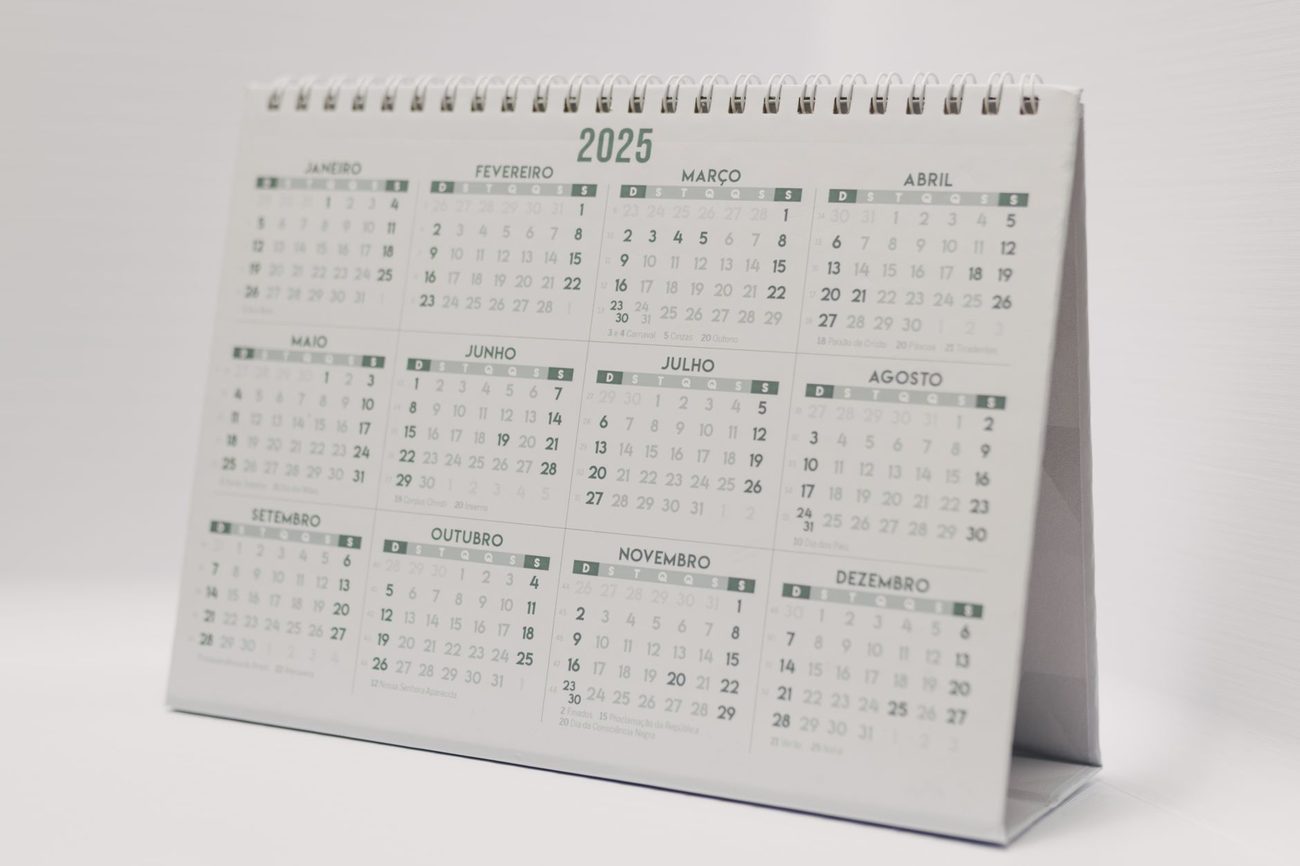
Autopay isn't a set-and-forget magic spell. Things change: a servicer changes its system, a card expires and the linked payment fails, a bank updates its login and drops your saved account. So on the first Sunday of every month, I spend about ten minutes checking that every payment actually went through.
In my paper planner I have a small box with each bill listed. I open each account, confirm the last payment posted, check the amount, and tick it. If anything looks off, I fix it that week, not the night before the due date. It's not glamorous, but I already spend my workday chasing denied claims for patients. I can spend ten minutes chasing my own.
I also turned on payment confirmation emails for every account and made a filter so they all land in one folder. If the folder is missing a confirmation by the 5th, that's my signal.
Part of it is that I turned 26 last week and my whole insurance situation is changing, which made me want everything else to be boring. Part of it is that I've been pretty sure about my spending for a few months now and finally trust the checking balance.
Mostly, though, I don't want to see a second late payment on my report. The first one was a lesson. A second one would just be careless.
My mom asked what I was doing at the table so late. I said I was making sure I never have to remember anything again. She said that sounded like a lot of trust to put in a computer, and she's not wrong, which is why the planner box exists.